
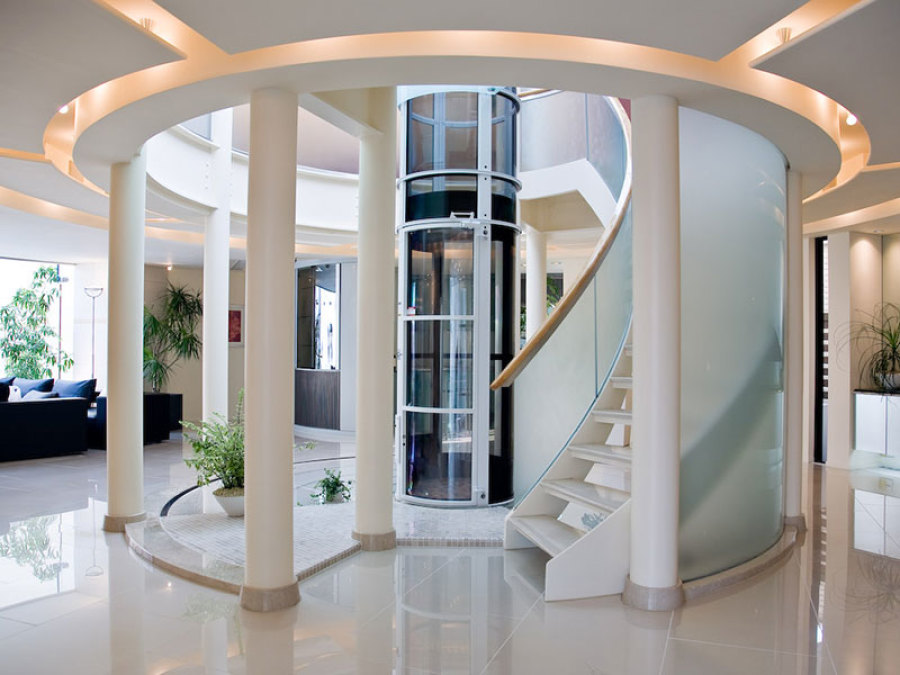
Residential elevators are no longer just a luxury feature — they’re a practical, forward-thinking investment for many Pennsylvania homeowners. Whether planning for aging in place, improving accessibility, or increasing home value, a home elevator can significantly enhance everyday living.
Before installing a residential elevator in your PA home, here’s what you should know.
Why Pennsylvania Homeowners Are Choosing Residential Elevators
Many homes throughout Pennsylvania are multi-level, making stairs a daily challenge as mobility changes. Home elevators provide:
- Safe, reliable access between floors
- Support for wheelchair and walker users
- Convenience for families of all ages
- Increased resale appeal
Homeowners often choose elevators not only for accessibility, but for comfort and long-term planning.
Types of Residential Elevators
There are several elevator styles available, each suited to different home layouts and needs.
Traditional Shaft Elevators
These elevators travel within a constructed shaft and offer a smooth, enclosed ride. They’re ideal for new construction or major renovations.
Machine-Room-Less (MRL) Elevators
MRL elevators save space while still offering full functionality. They are a popular option in retrofit projects where space is limited.
Pneumatic (Vacuum) Elevators
These self-contained systems require minimal construction and can often be installed more quickly than traditional elevators.
Nationwide Lifts of Pennsylvania helps homeowners select the best system based on space, design preferences, and usage needs.
Space & Structural Considerations
Installing a residential elevator requires:
- Adequate floor-to-floor height
- Space for the cab and travel path
- Electrical requirements
- Compliance with local building codes
A professional evaluation ensures the elevator integrates safely and efficiently into your home.
Cost & Long-Term Value
While residential elevators are a larger upfront investment than stair lifts, they offer long-term benefits:
- Reduced need for future accessibility upgrades
- Increased home value
- Greater independence and safety
Many homeowners view elevators as a permanent solution rather than a temporary fix.
Permits & Installation Timeline
In Pennsylvania, permits and inspections are required for residential elevator installation. Working with an experienced provider helps streamline the process and ensures compliance with local regulations.
Installation timelines vary depending on the system selected and whether the project is part of new construction or a retrofit.
Why Choose Nationwide Lifts of Pennsylvania
- Local expertise and personalized guidance
- Wide selection of residential elevator systems
- Code-compliant, safety-focused installations
- Support from consultation through completion
Is a Residential Elevator Right for Your Home?
If stairs are becoming a concern — now or in the future — a residential elevator may be the right solution.
Contact Nationwide Lifts of Pennsylvania today to schedule a consultation and learn more about residential elevator options for your home.