
For many Pennsylvania homeowners, stairs can become a daily challenge due to aging, mobility limitations, arthritis, or recovery from an injury. A stairlift provides a safe and convenient solution that allows individuals to move between floors without the physical strain of climbing stairs. But how exactly does a stairlift work?
Understanding the Basics of a Stairlift
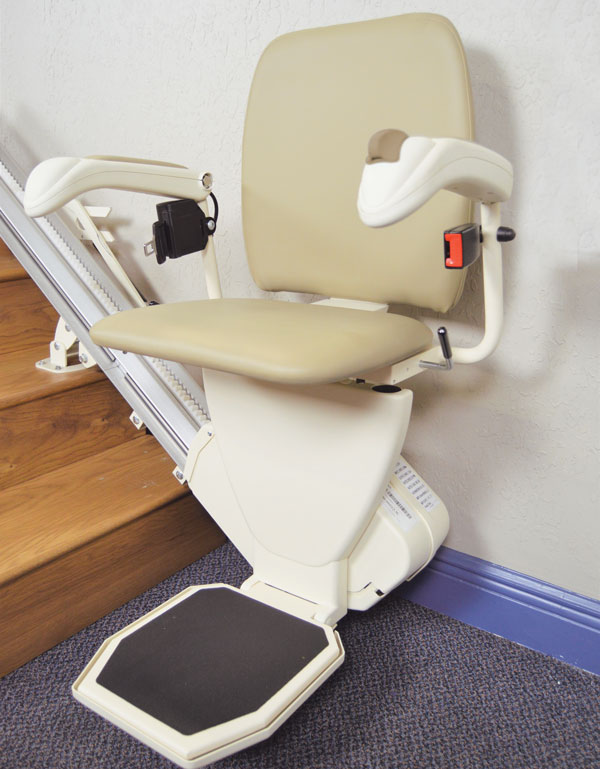
A stairlift is a motorized chair that travels along a rail attached directly to your staircase. The rail serves as the track that guides the chair safely up and down the stairs. Users simply sit in the chair, fasten the seat belt, and use easy controls to operate the lift.
Modern stairlifts are designed to provide smooth, reliable transportation between levels while maximizing safety and comfort.
Key Components of a Stairlift
Several components work together to ensure safe operation:
- Motorized drive system
- Rail mounted to the staircase
- Comfortable seat with armrests
- Footrest for support
- Seat belt for safety
- Call and send controls
- Battery backup system
Most stairlifts operate using rechargeable batteries that continuously charge while parked. This allows the stairlift to continue working even during temporary power outages.
How the Ride Works
Once seated, the user presses a button or joystick located on the armrest. The motor powers the chair along the rail at a controlled speed. When the stairlift reaches the top or bottom landing, it automatically stops.
Many models feature swivel seats that make getting on and off safer by positioning the user away from the staircase.
Benefits for Pennsylvania Homeowners
A stairlift can help Pennsylvania residents remain independent and continue enjoying every level of their home. Instead of relocating or limiting access to parts of the house, homeowners can improve mobility with a simple accessibility upgrade.
At Nationwide Lifts of Pennsylvania, we help homeowners find customized stairlift solutions designed to improve safety, comfort, and long-term independence.